
2
PRODUCT DESIGN • INTERNSHIP • 2026
Product Designer, 7 Months, Product Management + Design, UX/UI, AI Workflow Automation
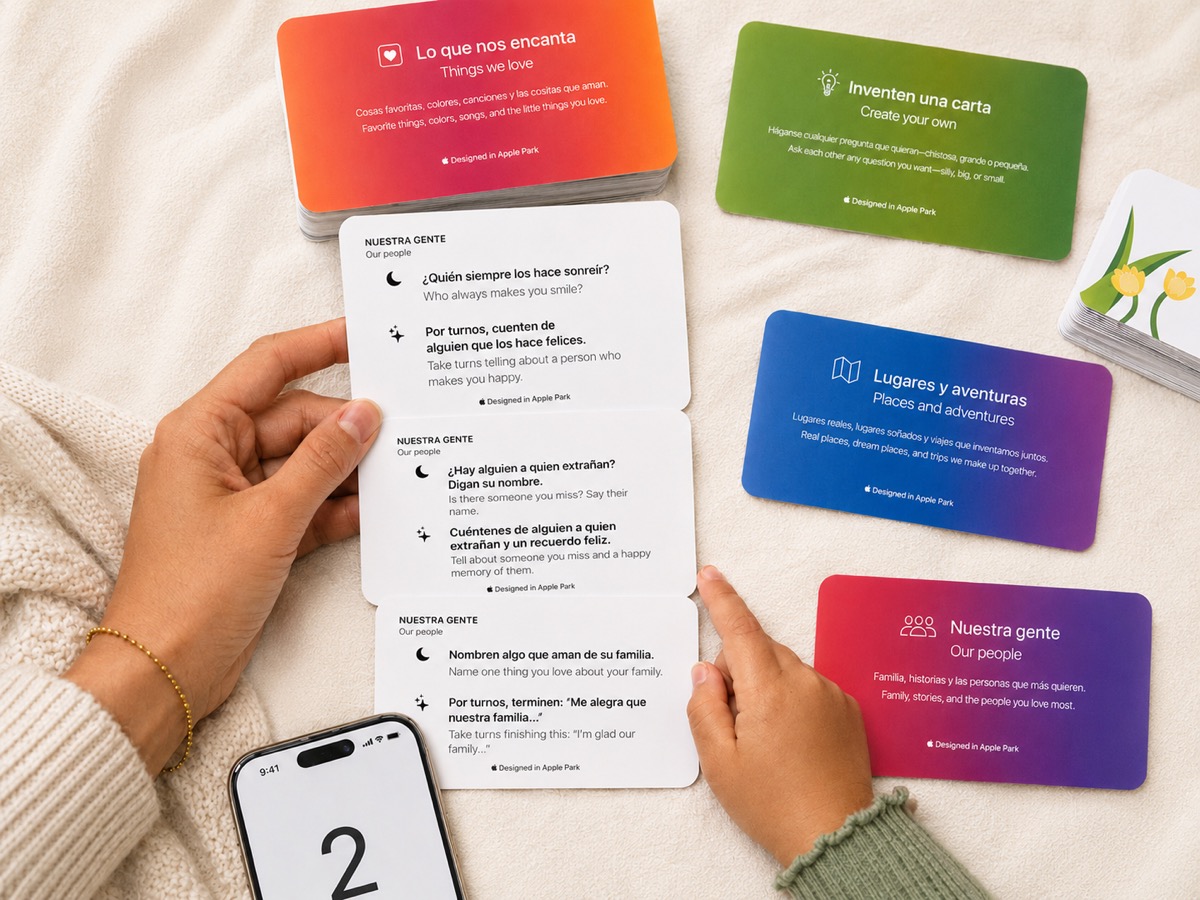
2 is an interactive card deck and companion app for bilingual K–2 families designed to strengthen language development and literacy through simple conversation and routine.
I led end-to-end product development from user research to print-ready production and app development. I synthesized afterschool educator and family interviews with early-literacy research to define product requirements, and automated production by prompting Claude to build a card-generation pipeline (InDesign Data Merge) and asset export system (Illustrator ExtendScript).
This 80-prompt, four-week bilingual conversation project was completed and presented at the end of my internship to the VP of Supply Chain Manufacturing at Apple in August 2026.
In the U.S. there are approximately,
10.8 million children
who live with at least one parent who speaks a non-English language at home.
(Migration Policy Institute per the U.S. Census Bureau)
LANGUAGE DEVELOPMENT FRICTION IN BILINGUAL HOMES
I deeply believe in investing in the next generation because the way we invest in them will directly dictate what happens in the future.
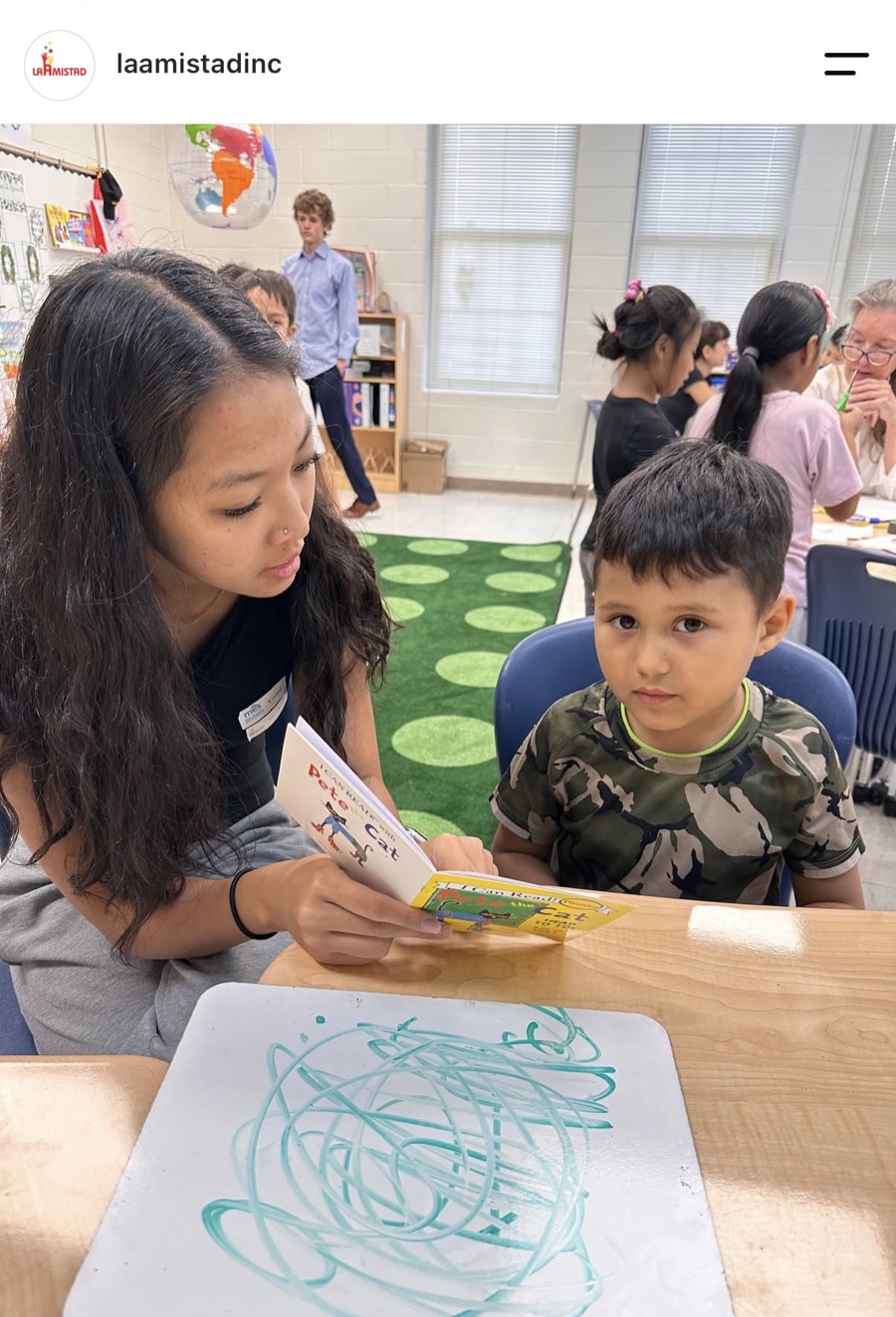
In high school, I worked with an afterschool program teaching K-2 graders living in a tax-credited apartment complex. In Atlanta, I volunteer with an elementary afterschool program for latino students called LaAmistad where I translate and assist with homework during the week between classes.
While I was volunteering, I noticed that some of the kids had a hard time expressing what they were thinking in English, but when I spoke to them in Spanish, I saw how much learning and development was actually happening. For many of these kids, school builds on one language while home builds on another.
Growing up in two languages is a strength and it builds a sharper ear for how language works, but it can create friction for language and learning development if it is not intentionally navigated.
RESEARCH TO FIND WHAT MATTERS
Most nonprofit and community-based afterschool programs primarily serve or heavily focus on low- and middle-income families. These kids tend to be in afterschool programs while their parents work overtime, and the problem with language and literacy development isn’t that parents aren’t willing to contribute. For non-English speaking parents, complicated systems can become overwhelming, lack of confidence limits interactions, and school-like activities at home feel like the disengaging option.
I conducted interviews with afterschool program leaders and educators, read numerous research articles, and analyzed different educational apps to see if there was a way to strengthen literacy and language development for lower-income multilingual K–2nd graders.
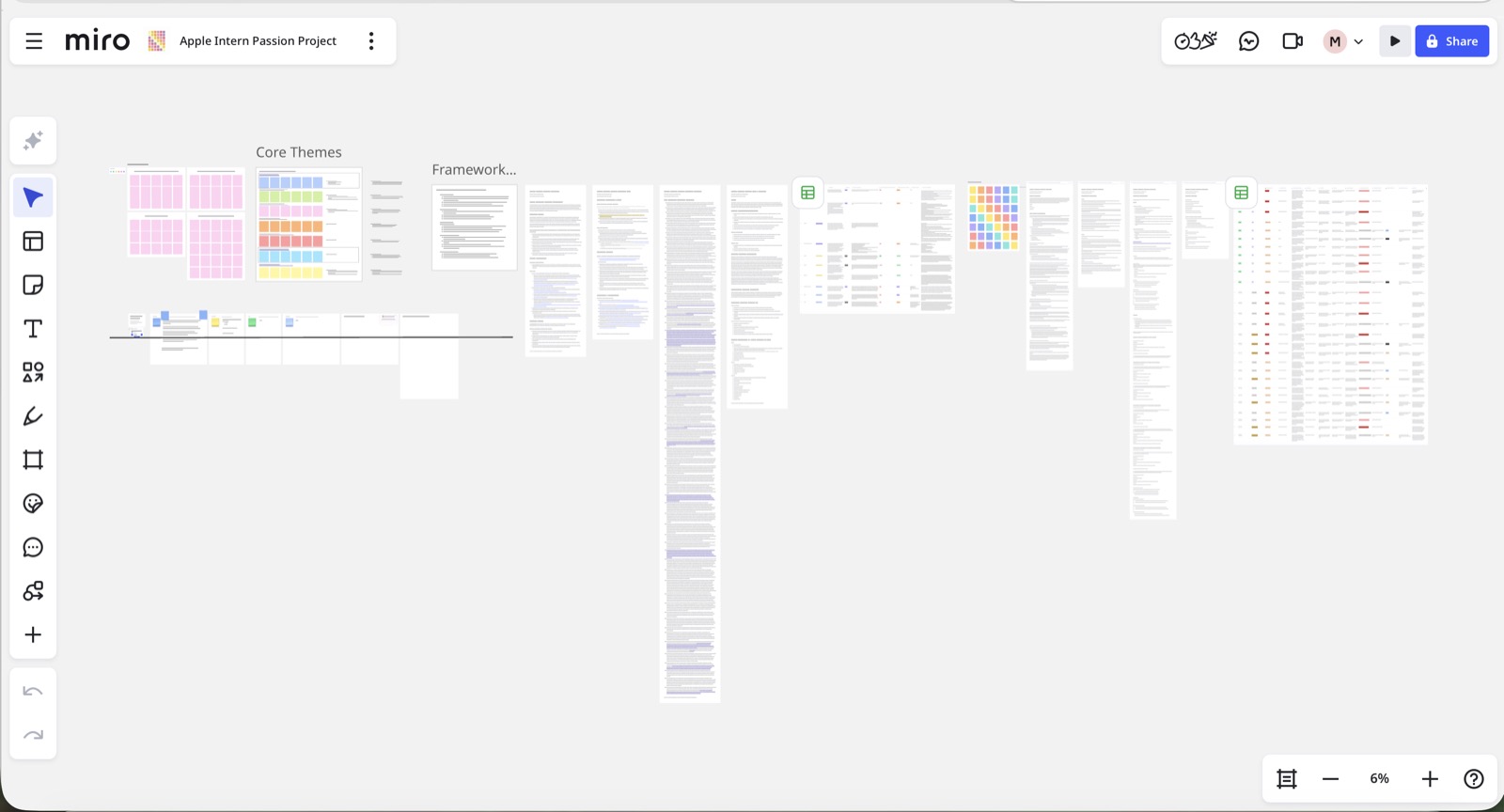
Originally, I thought I would be making something like an app similar to Duolingo or some other educational reading tool, but after my research I realized there were a lot of pieces I had missed. Homes are already full of language-rich practices like conversation, listening, and role-playing. Consistent routines predict better cognitive, social-emotional, and academic outcomes, and interpersonal interaction predicts school-readiness more than resources do.
This product needed to be: simple and easy to do for families with limited time between school and bedtime, encouraging and inviting for parents afraid of getting it wrong, engaging and reinforcing to strengthen existing language practices, and consistent to build routine and structure.
BUILDING 2
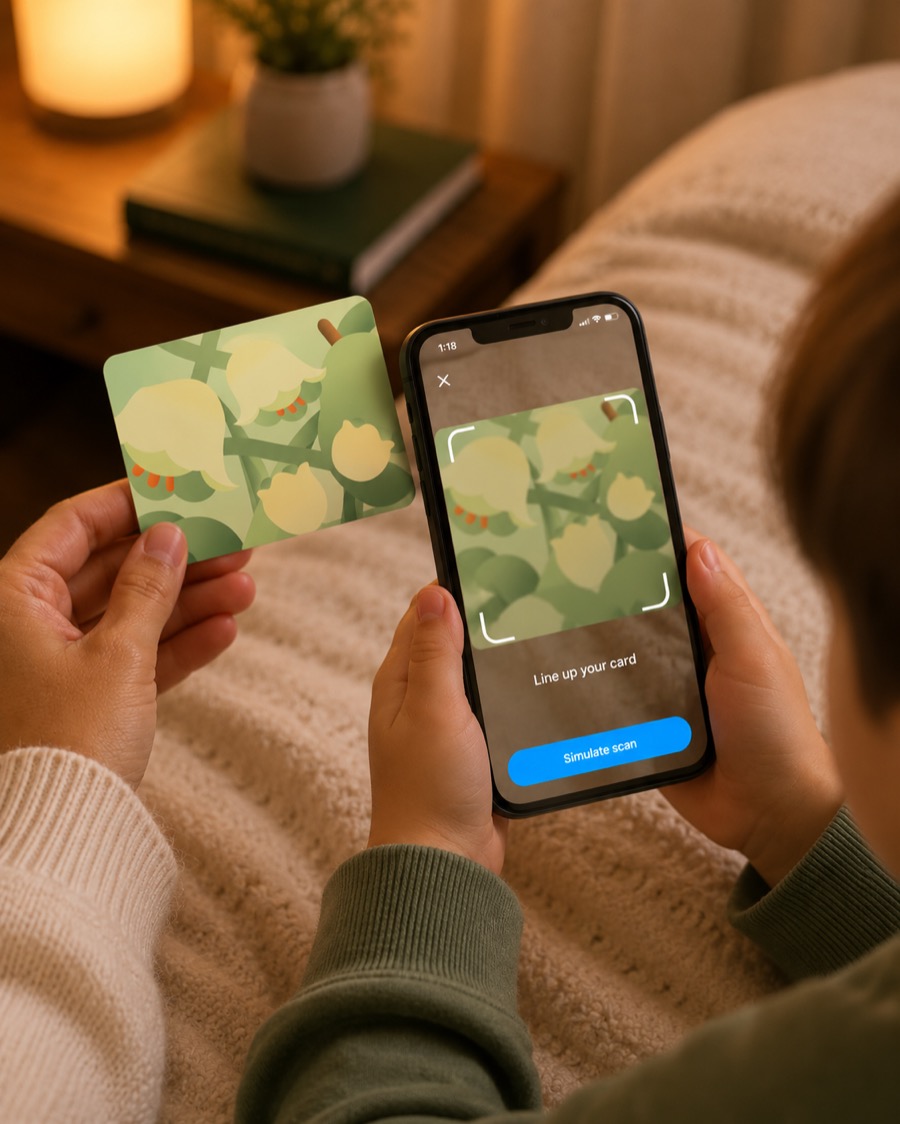
The deck works through encouraging intentional conversation between families and children once a night to create a routine and implicitly strengthen learning and development. 2 includes a months deck of bilingual bedtime prompts to do together each night. When finished, they scan the back of the card to plant it and see progress through growing a little garden on the app. Here, families can store memories and view progress as they complete the cards.
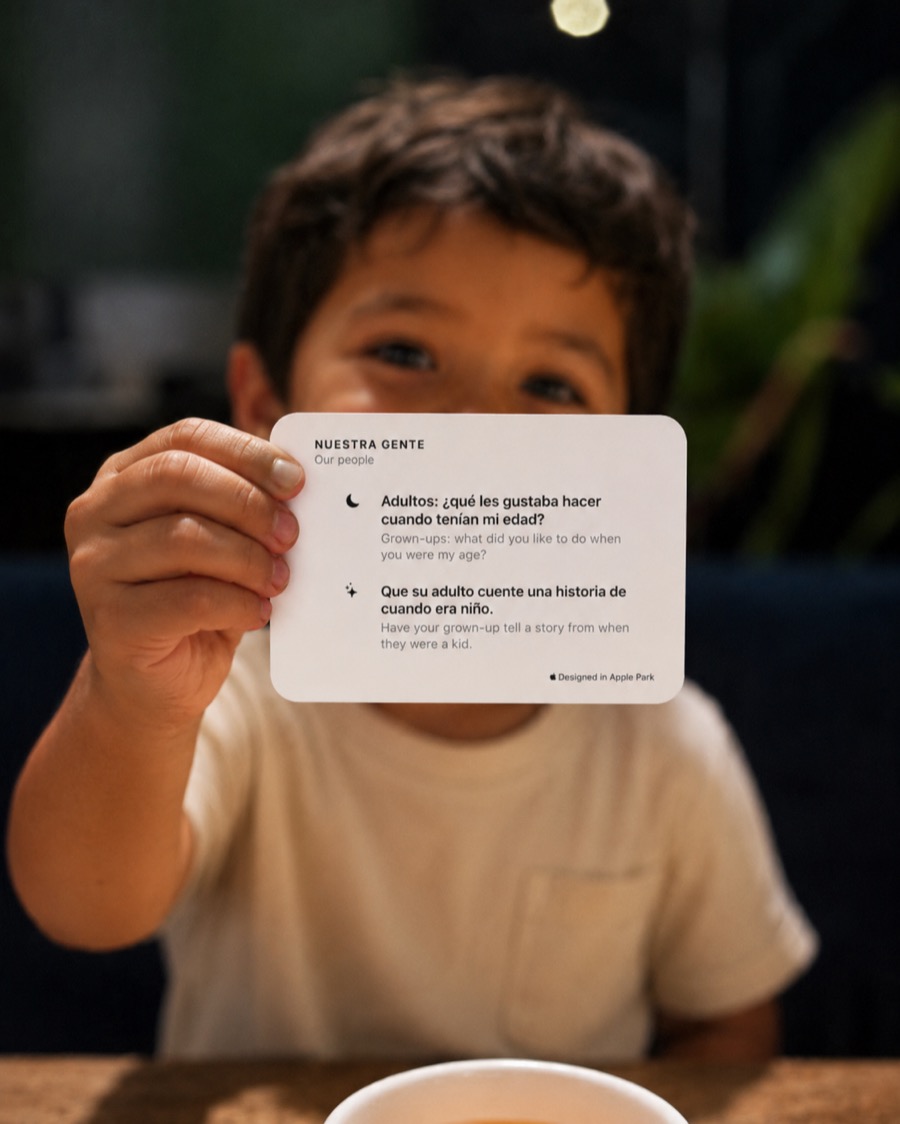
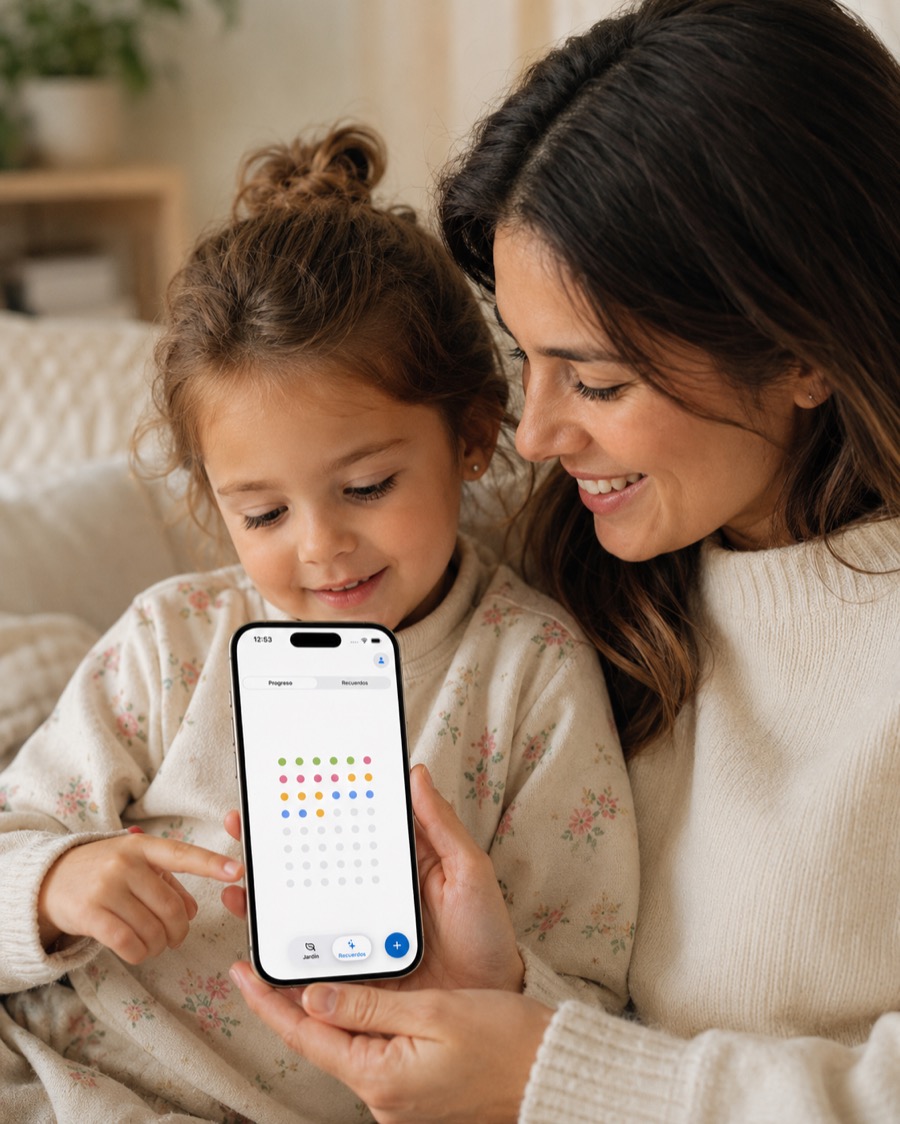
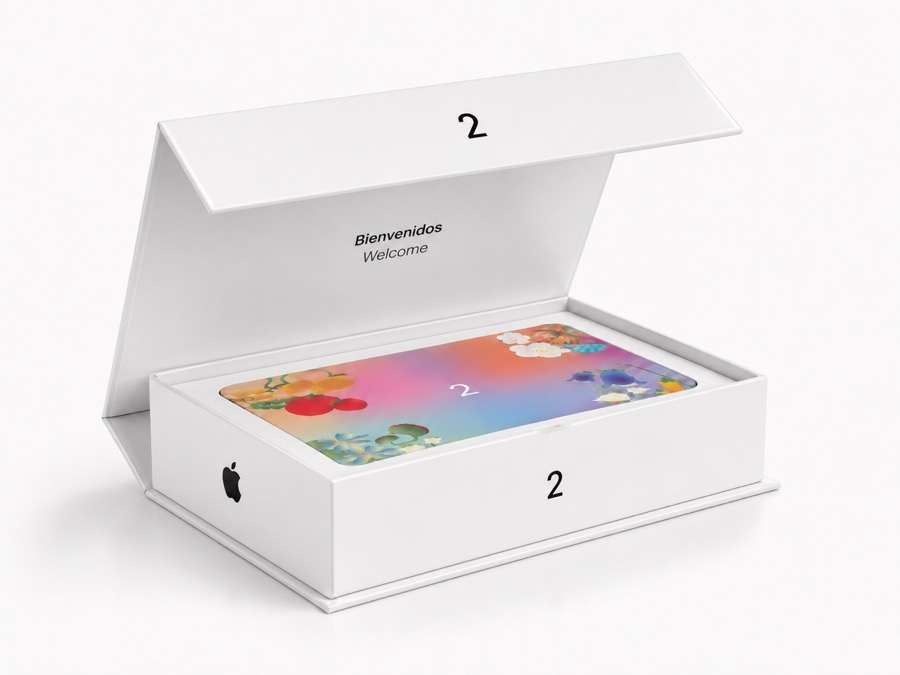
The set includes 48 cards in a magnetic book box. Every prompt card carries a theme and two tiers — a shorter prompt for when they don’t have as much time and a longer additional prompt for when there’s a bit more time before bed.
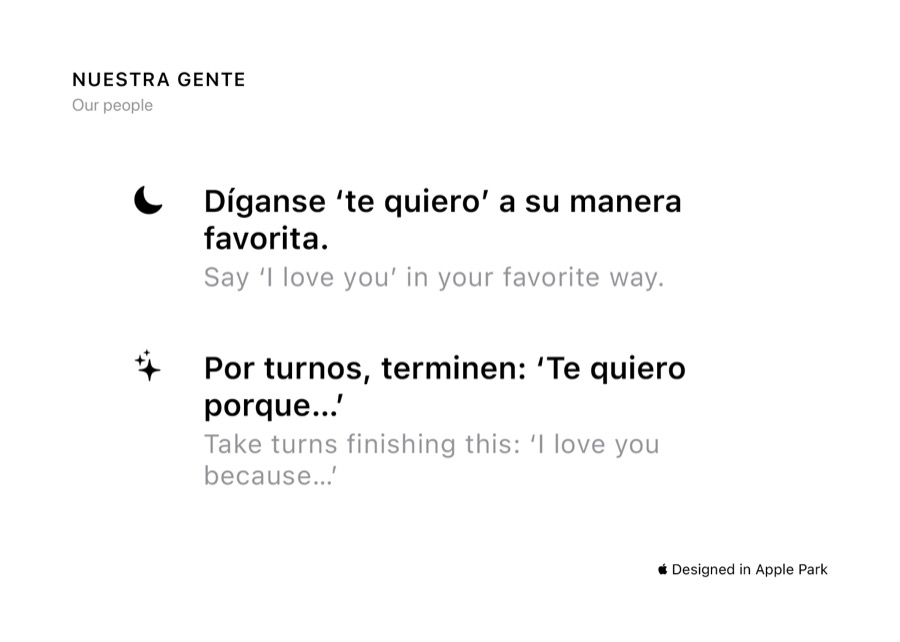
The month themes start with Things That Make Us Laugh → Things We Love → Places and Adventures → ‘Our People. It starts with play and laughter (which is where we learn to trust each other) and ends with what connects us most (our people and our community).
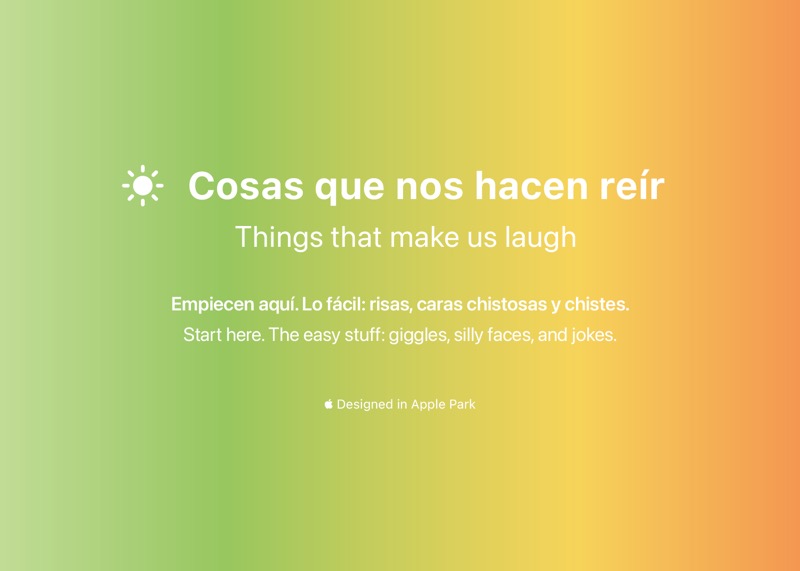
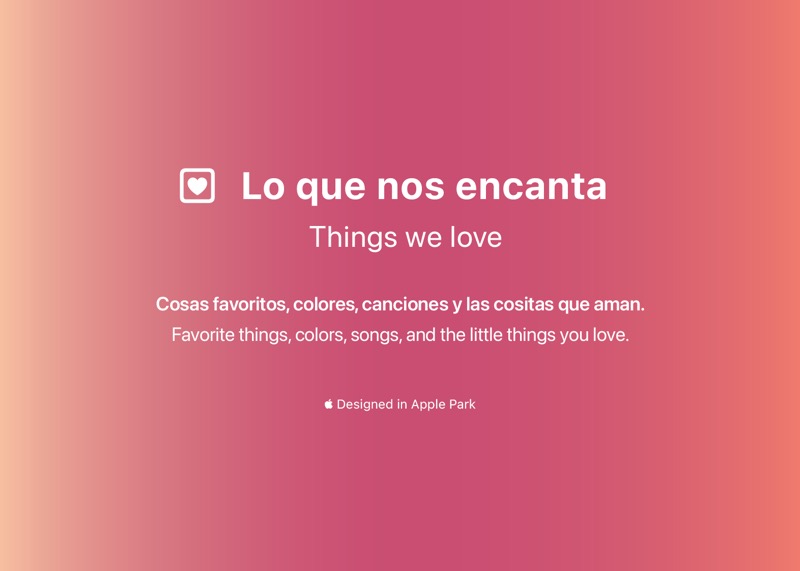
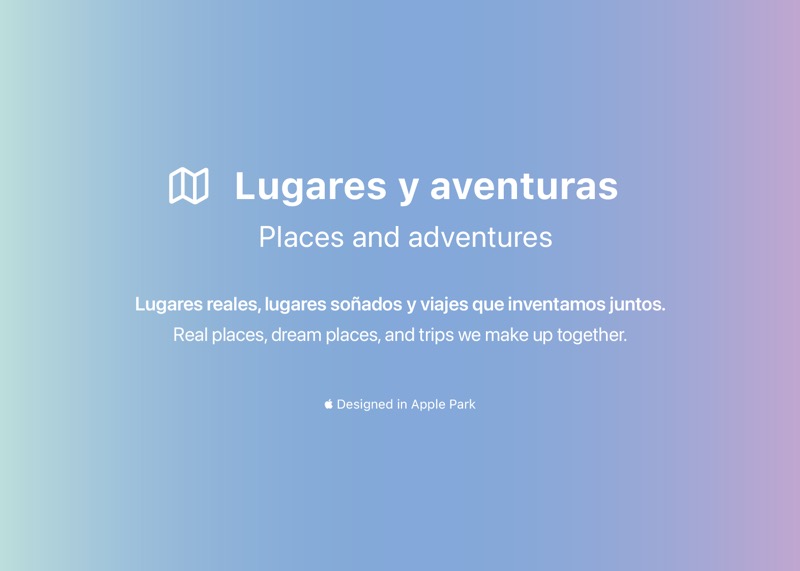
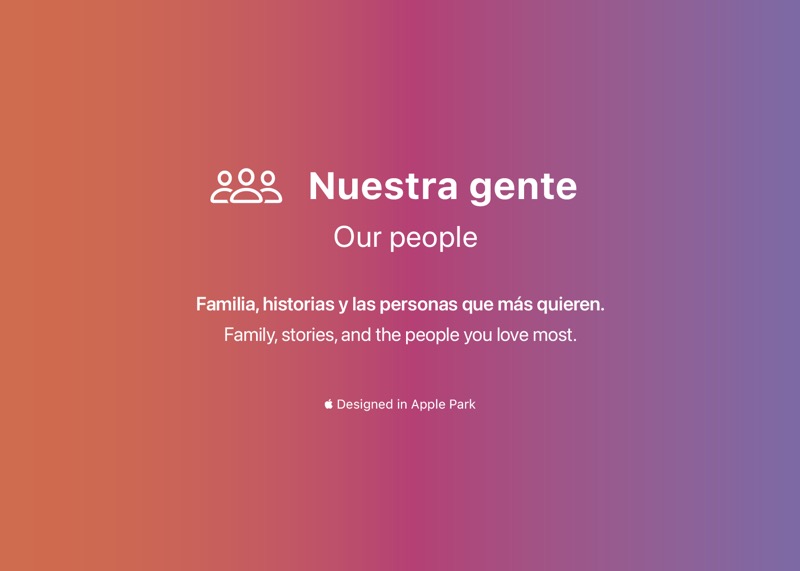
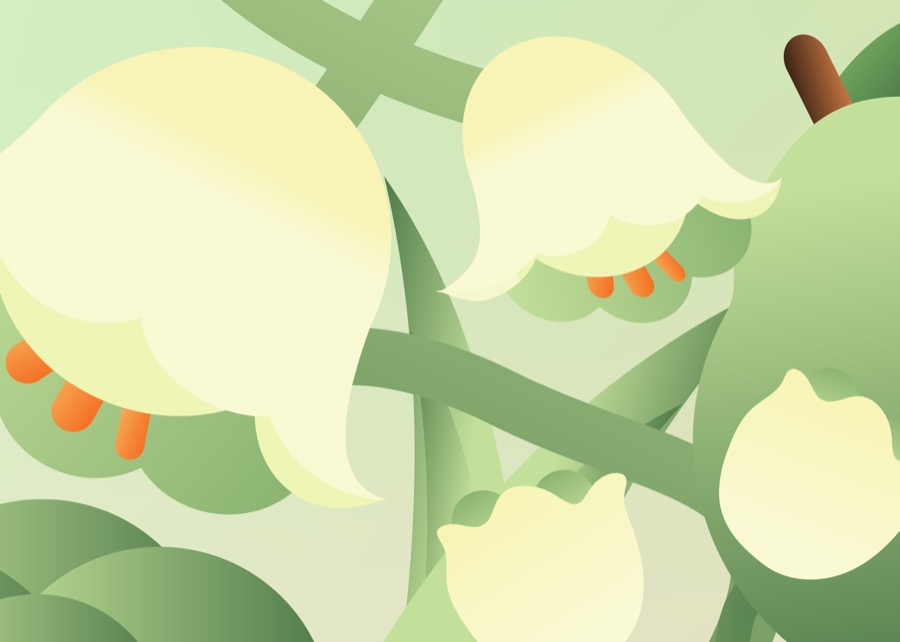
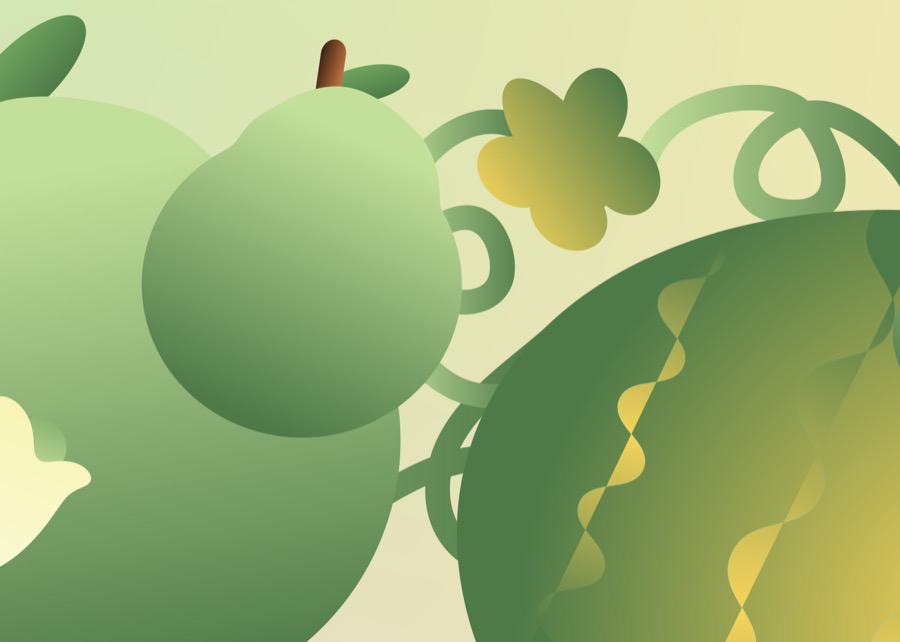
The backs of the cards form a puzzle when flipped. I drew a single illustration in Adobe Illustrator and sliced it using Photoshop scripts, so the assembled deck forms one image. Every object in it is drawn in pairs (a nod to doing things together) and is based off a real plant. When families want, this deck would double as a tactile activity.
I designed a SwiftUI/WidgetKit companion app with Claude Code enabling camera-based card scanning, progress visualization, and family memory-saving.
Physical deck was printed for the final presentation.